ByJohn A
The Rise of the “Phygital” Classroom: Navigating the Blend of AI and Human Mentorship
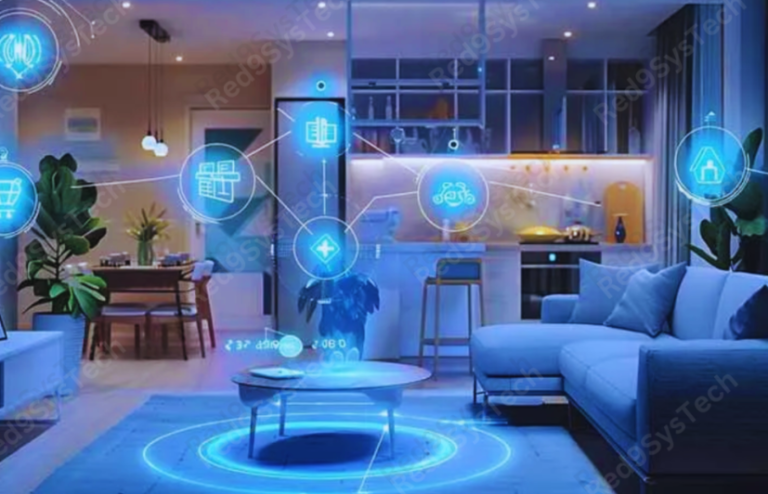
The traditional four-walled classroom is undergoing a massive transformation. We are no longer living in a world where learning is restricted to physical textbooks or wooden desks. Instead, we have entered the era of the “Phygital” classroom—a seamless blend of physical presence and digital innovation. This shift isn’t just about replacing paper with tablets; it is about how artificial intelligence and human mentorship work together to create a better learning experience.
For students today, the challenge isn’t finding information. The challenge is filtering through the noise. While AI provides instant answers, human mentors provide the context, empathy, and critical thinking that machines cannot replicate. Navigating this new landscape requires a balance that respects both the speed of technology and the depth of human wisdom.
Understanding the Phygital Shift
The term “phygital” might sound like tech jargon, but it describes a very real reality for modern students. Imagine a lecture where a professor explains a complex structural engineering concept. Simultaneously, students use an augmented reality (AR) app to visualize the stress points on a digital bridge. This combination makes abstract theories tangible.
This hybrid approach addresses different learning styles. Some people learn by doing, others by listening, and others by seeing. By integrating digital tools into physical spaces, educators can reach every student in the room. It removes the limitations of geography and resources, allowing a student in a small town to access the same high-level simulations as someone at a prestigious ivy league university.
The Role of AI in Personalized Learning
Artificial Intelligence has become the ultimate teaching assistant. Its primary strength is personalization. In a standard classroom, a teacher often has to pace the lesson for the “average” student. This leaves advanced learners bored and struggling students behind.
AI algorithms change this dynamic by analyzing how a person interacts with material. If a student struggles with calculus, the software identifies the specific gap in their knowledge—perhaps a misunderstanding of basic algebra—and provides targeted exercises to fix it. This level of 24/7 support ensures that no one is left in the dark. Many students find that having engineering homework help through these smart platforms allows them to master technical subjects at their own pace.
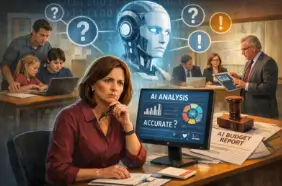
However, AI is a tool, not a replacement. It can tell you what the answer is, but it often fails to explain why that answer matters in the real world. That is where the human element becomes irreplaceable.
Why Human Mentorship Still Matters
Despite the power of algorithms, the heart of education remains a human connection. A mentor does more than grade papers; they inspire, challenge, and provide emotional support. When a student feels overwhelmed by a heavy workload, an AI cannot offer encouragement or share a personal story of overcoming academic hurdles.
Humans are experts at nuance. We understand culture, ethics, and the “soft skills” that are vital in the professional world. A mentor can spot a student’s hidden potential and steer them toward a career path they hadn’t considered. While technology handles the data, humans handle the soul of education. When the pressure of finals week becomes too much, getting professional help with assignment tasks from a human expert provides a level of clarity and relief that a chatbot simply cannot match.
Navigating the Challenges of a Hybrid Model
The transition to a phygital environment isn’t without its bumps. One major concern is the digital divide. Not every student has access to high-speed internet or the latest hardware. For the phygital classroom to be successful, it must be inclusive. Schools and governments must ensure that technology acts as a bridge, not a barrier.
Another challenge is “screen fatigue.” Spending eight hours a day looking at pixels can lead to burnout and decreased retention. The best educators find ways to use digital tools sparingly—using them to enhance a discussion rather than replace it. The goal is to use technology to handle the repetitive, administrative parts of learning so that the physical time spent together can be focused on deep discussion and collaborative projects.
See also: The Rise of Invisible Technology in Daily Life
Preparing for a Phygital Career
The world outside of school is already phygital. Whether you go into healthcare, marketing, or construction, you will likely use digital interfaces to perform physical tasks. By embracing this blend during their academic years, students develop the “digital fluency” required in the modern workforce.
Learning how to switch between a high-tech simulation and a face-to-face brainstorming session is a skill in itself. It teaches adaptability and technical literacy. Students who can navigate both worlds are the ones who will lead the industries of tomorrow. They understand that technology makes us faster, but human collaboration makes us better.
Finding the Right Balance
The future of education isn’t a choice between a robot and a teacher. It is the sophisticated integration of both. We should celebrate the fact that a student can get instant feedback from an AI at 2 AM and then sit down with a professor at 10 AM to discuss the ethical implications of that same data.
This balance allows for a more holistic approach to growth. It treats the student as a whole person—someone who needs both the efficiency of digital tools and the mentorship of experienced professionals. As we move forward, the “phygital” classroom will continue to evolve, making education more flexible, more engaging, and ultimately, more human.
Conclusion
The phygital classroom represents the perfect middle ground for modern education. By merging the rapid efficiency of AI with the deep emotional intelligence of human mentors, we create a learning environment that is both high-tech and high-touch. This hybrid model ensures students gain the technical skills needed for the future without losing the essential guidance that only a human connection provides. Ultimately, embracing this blend prepares students to excel in a world where technology and humanity are permanently intertwined.