ByJohn A
How Reliable Uniform Programs Help Businesses Improve Consistency and Professionalism
A company’s image is shaped by many factors. Customer service, product quality, communication, and employee appearance all contribute to how people view a business. While many organizations focus heavily on marketing and branding, they sometimes overlook the value of a well-planned uniform program.
Across industries such as manufacturing, transportation, automotive services, maintenance, healthcare, and hospitality, uniforms continue to play an important role in daily operations. A reliable uniform strategy creates consistency, improves employee presentation, and helps customers identify staff members more easily.
As businesses continue looking for ways to strengthen their brand presence, uniform programs remain one of the most practical tools available.
Why Consistency Matters in Modern Business
Customers appreciate consistency. Whether they visit a business once a week or once a year, they expect a professional experience every time.
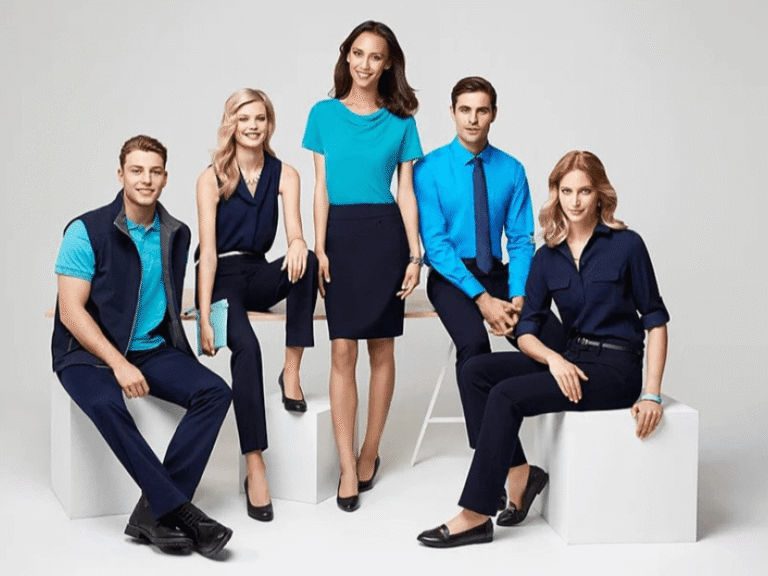
Uniforms help create that consistency by giving employees a standardized appearance. When team members wear coordinated clothing, the business appears more organized and professional.
This consistency becomes even more important for companies operating across multiple locations. Customers often associate employee appearance with overall company standards, making uniforms a valuable part of brand management.
Businesses that maintain consistent workplace presentation frequently create stronger first impressions and greater customer confidence.
The Connection Between Uniforms and Brand Recognition
Brand recognition is not built solely through advertising. Every customer interaction contributes to how a company is remembered.
Professional workplace branding often includes logos, company colors, and coordinated employee apparel. Uniforms allow businesses to reinforce these visual elements throughout daily operations.
When employees interact with customers, attend events, make deliveries, or perform service visits, their clothing becomes an extension of the company’s identity.
Over time, repeated exposure to consistent branding helps customers recognize and remember a business more easily.
How Professional Uniforms Support Customer Trust
Trust is one of the most valuable assets any company can build.
Customers generally feel more comfortable interacting with employees who are clearly identifiable and professionally dressed. Uniforms help remove uncertainty by making it obvious who represents the organization.
This is particularly valuable in industries where customers rely on technical expertise or service support. A professional appearance often reinforces the perception that employees are knowledgeable and prepared to assist.
Strong customer relationships frequently begin with positive first impressions, and uniforms contribute significantly to those early interactions.
Why Employees Benefit From Uniform Programs
Uniforms are not only beneficial for businesses. Employees often benefit as well.
Many workers appreciate having clear dress expectations. Rather than deciding what to wear every day, employees can focus on their responsibilities knowing they already meet workplace standards.
Uniforms also create a greater sense of unity among team members. When everyone wears similar apparel, the workplace often feels more cohesive and professional.
For organizations seeking to strengthen company culture, uniform programs can support a stronger sense of teamwork and shared identity.
The Importance of Durable Workplace Apparel
Not all uniforms are created equally. Employees in physically demanding industries require garments that can withstand daily wear and repeated laundering.
This is why businesses increasingly prioritize durable workplace apparel when selecting uniform solutions. Clothing that wears out quickly often leads to higher replacement costs and inconsistent employee presentation.
Durable garments help businesses maintain a professional appearance while reducing the need for frequent replacements.
Long-lasting apparel also contributes to employee satisfaction because workers can depend on clothing designed for demanding environments.
Choosing the Right Uniform Supplier
A successful uniform program begins with selecting the right supplier.
Businesses should evaluate factors such as product quality, inventory reliability, sizing availability, and long-term consistency. A supplier may offer attractive pricing, but that alone does not guarantee a successful partnership.
Organizations often prefer suppliers with extensive experience serving industries that require dependable workwear. Consistent product availability becomes especially important for companies managing large teams or multiple locations.
The right supplier helps businesses maintain standards while simplifying apparel management over time.
Why Workwear Experience Matters
Companies that specialize in workwear often understand the unique requirements of industrial and service environments.
For more than a century, Red Kap has been associated with workwear designed for demanding industries and uniform applications. The company’s history dates back to 1923 and has long focused on serving workers in sectors such as manufacturing, transportation, automotive services, and maintenance.
Because of this experience, many businesses evaluating Wholesale Red Kap apparel appreciate the brand’s long-standing focus on uniforms and job-specific clothing solutions.
Organizations frequently look for products that balance durability, functionality, and professional appearance when building workforce apparel programs.
The Growing Demand for Employee Uniform Solutions
The demand for structured employee uniform solutions continues to grow across many industries.
As companies focus more heavily on customer experience and operational consistency, uniforms have become part of broader business strategies. Rather than viewing uniforms as a simple clothing expense, many organizations now see them as an investment in professionalism and brand development.
Well-designed uniform programs help streamline operations while supporting a consistent company image.
This approach is particularly beneficial for businesses seeking to improve customer perception and strengthen workforce presentation.
The Role of Work Shirts and Industrial Apparel
Work shirts remain one of the most widely used garments within uniform programs.
Businesses value these garments because they provide a professional appearance while supporting practical workplace needs. According to Red Kap’s product offerings, work shirts, industrial pants, polos, and industry-specific apparel continue to be core categories across sectors such as automotive, manufacturing, transportation, and maintenance.
These products help organizations maintain consistency while meeting the demands of various job environments.
The ability to customize garments with logos, employee names, and branding elements further increases their value within professional settings.
How Uniform Programs Contribute to Long-Term Savings
Some businesses initially focus on the upfront cost of uniforms. However, long-term value is often more important than short-term pricing.
Quality garments generally last longer, require fewer replacements, and help maintain a consistent appearance across the workforce. This can reduce operational disruptions while supporting stronger brand presentation.
A well-managed uniform program also simplifies inventory planning and purchasing processes, making apparel management more efficient over time.
For growing organizations, these advantages can contribute to better overall cost control.
Industry Knowledge and the Value of Appareloclock
Businesses often make better apparel decisions when they have access to reliable industry information.
Many professionals follow Appareloclock for insights related to apparel sourcing, workwear trends, branding strategies, and wholesale clothing opportunities. Access to industry-focused resources helps businesses evaluate suppliers, compare options, and make informed decisions about workforce apparel.
As workplace expectations continue to evolve, staying informed remains an important part of building effective uniform programs.
See also: The Real Cost and Access Tradeoffs Behind hers and hims
Conclusion
Reliable uniform programs provide benefits that extend far beyond employee appearance. They help businesses improve consistency, strengthen brand recognition, support customer trust, and create a more professional workplace environment.
From durable workplace apparel and employee uniform solutions to customized branding and long-term operational efficiency, uniforms continue to serve as valuable business tools. Companies that invest in quality apparel and dependable suppliers often create stronger impressions while supporting their employees more effectively.
As organizations continue looking for ways to improve professionalism and consistency, well-planned uniform programs will remain an important part of modern business operations.